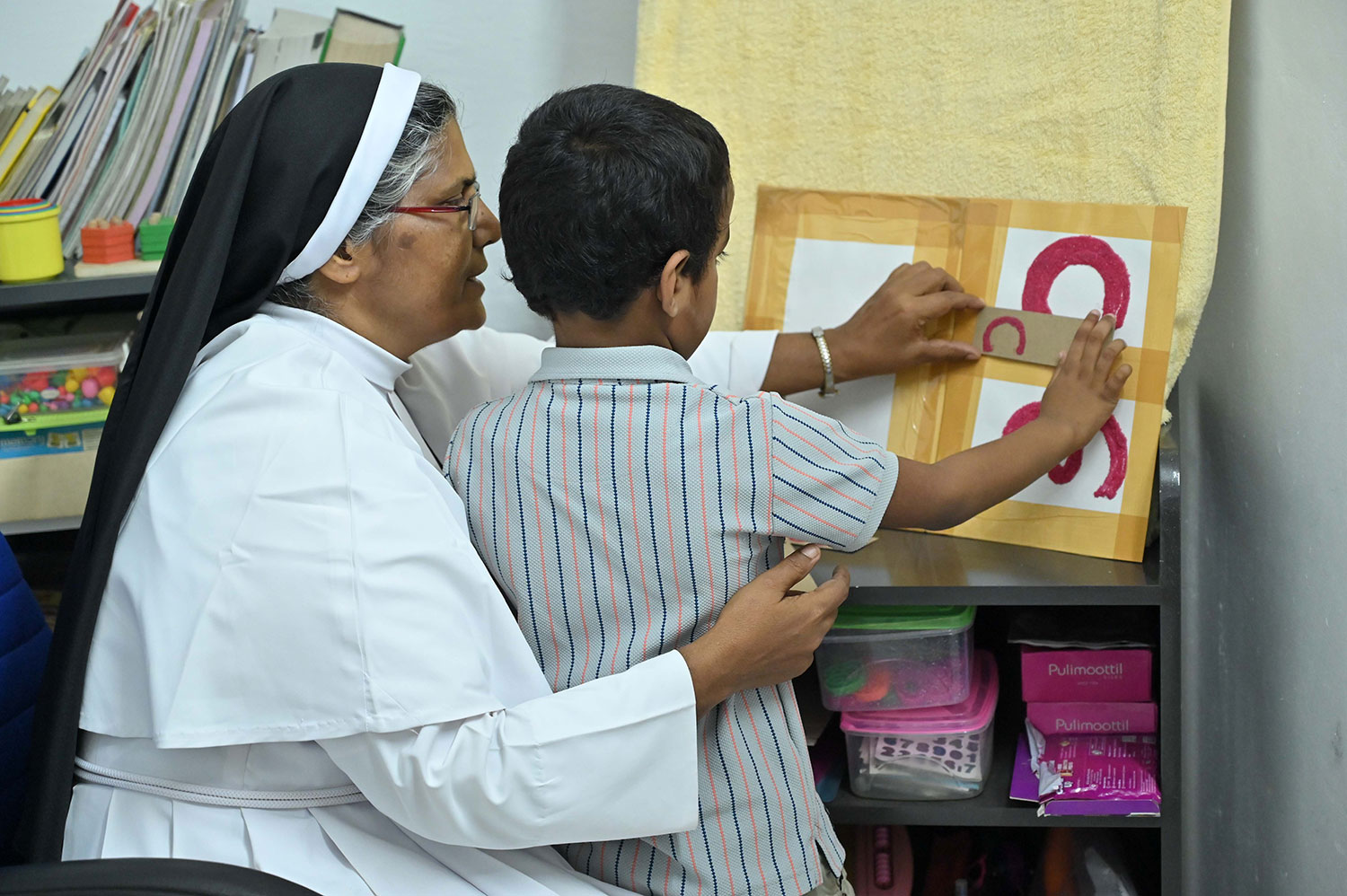
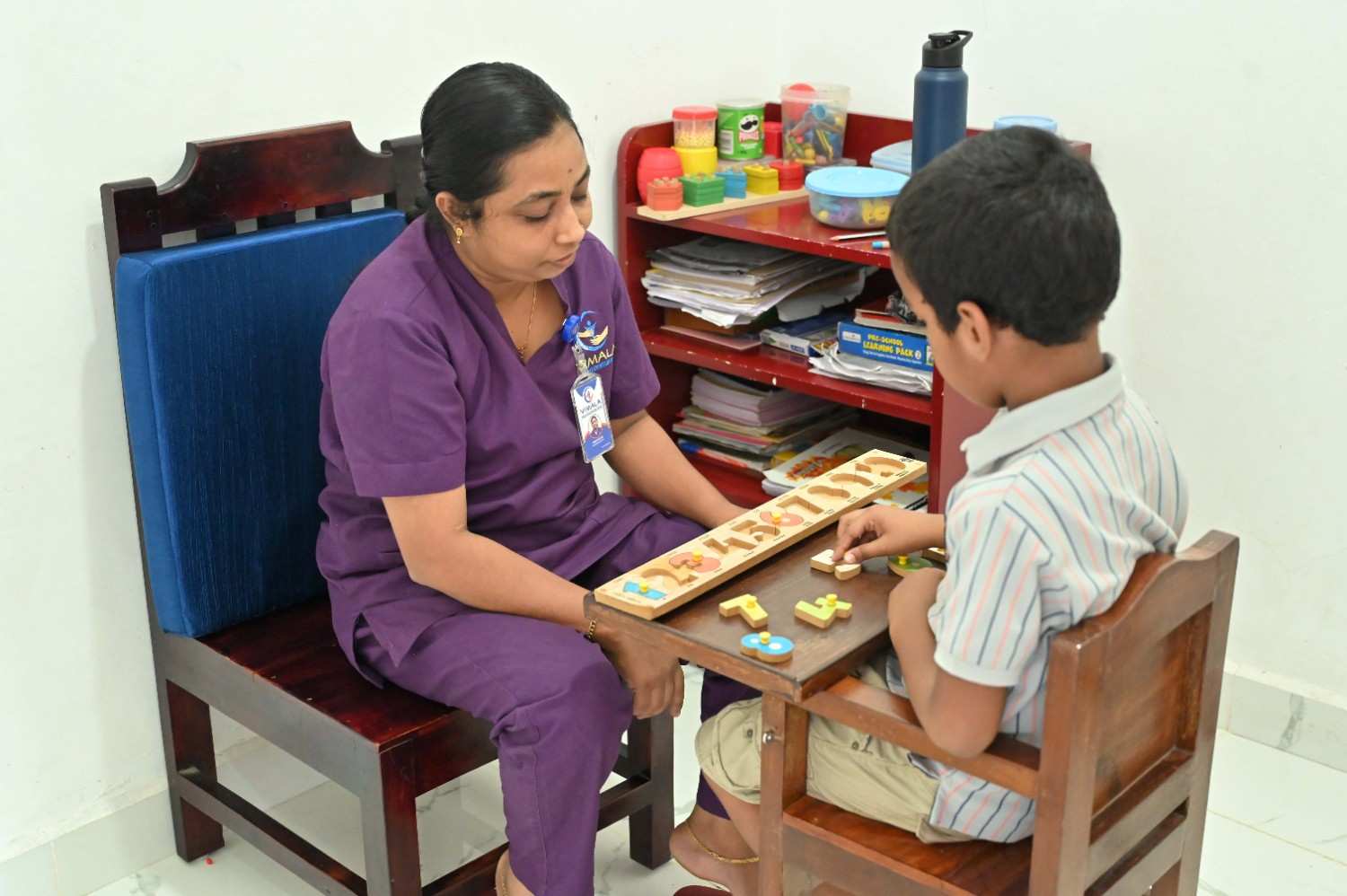
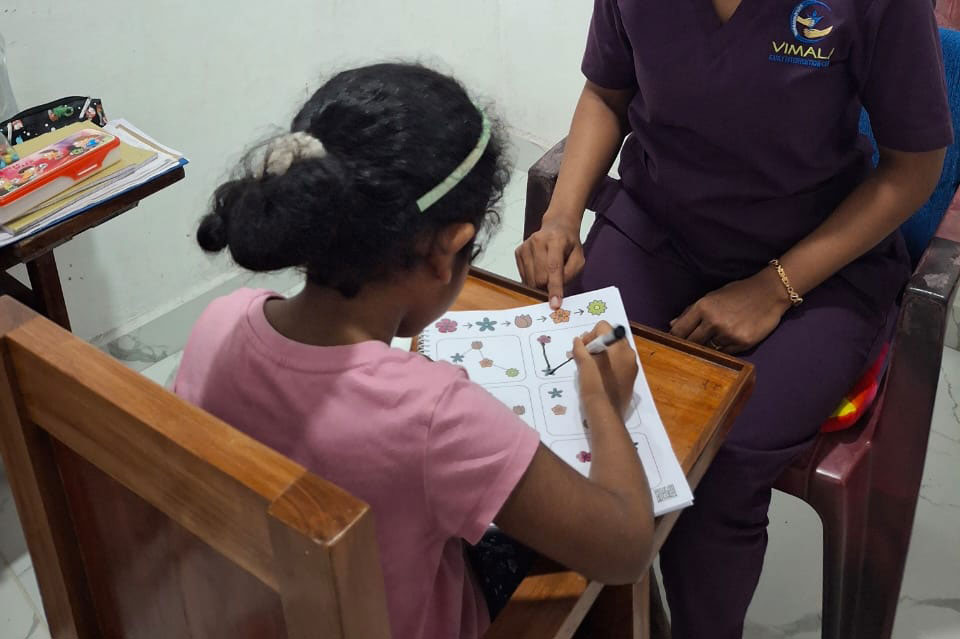
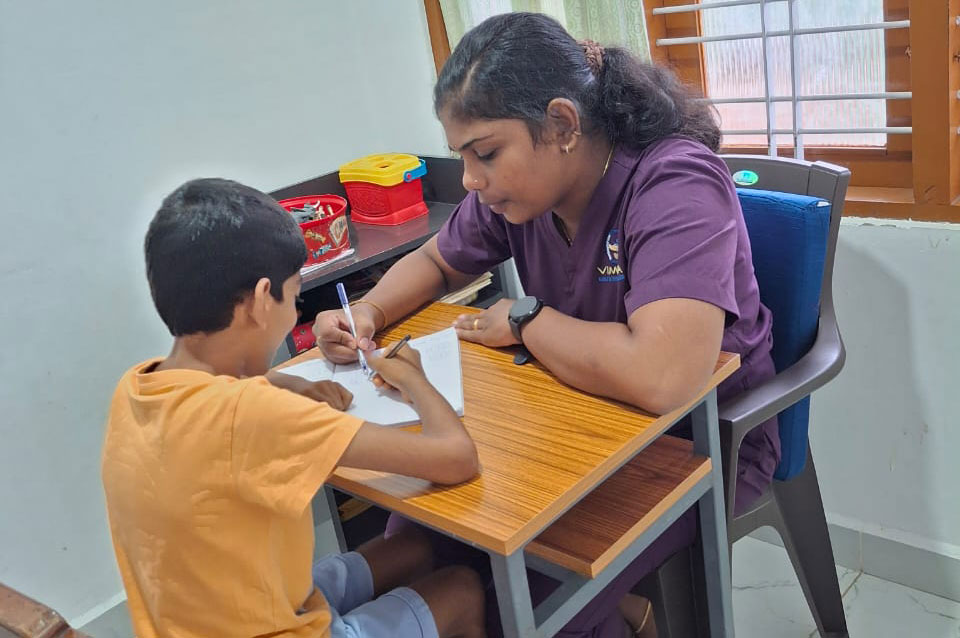
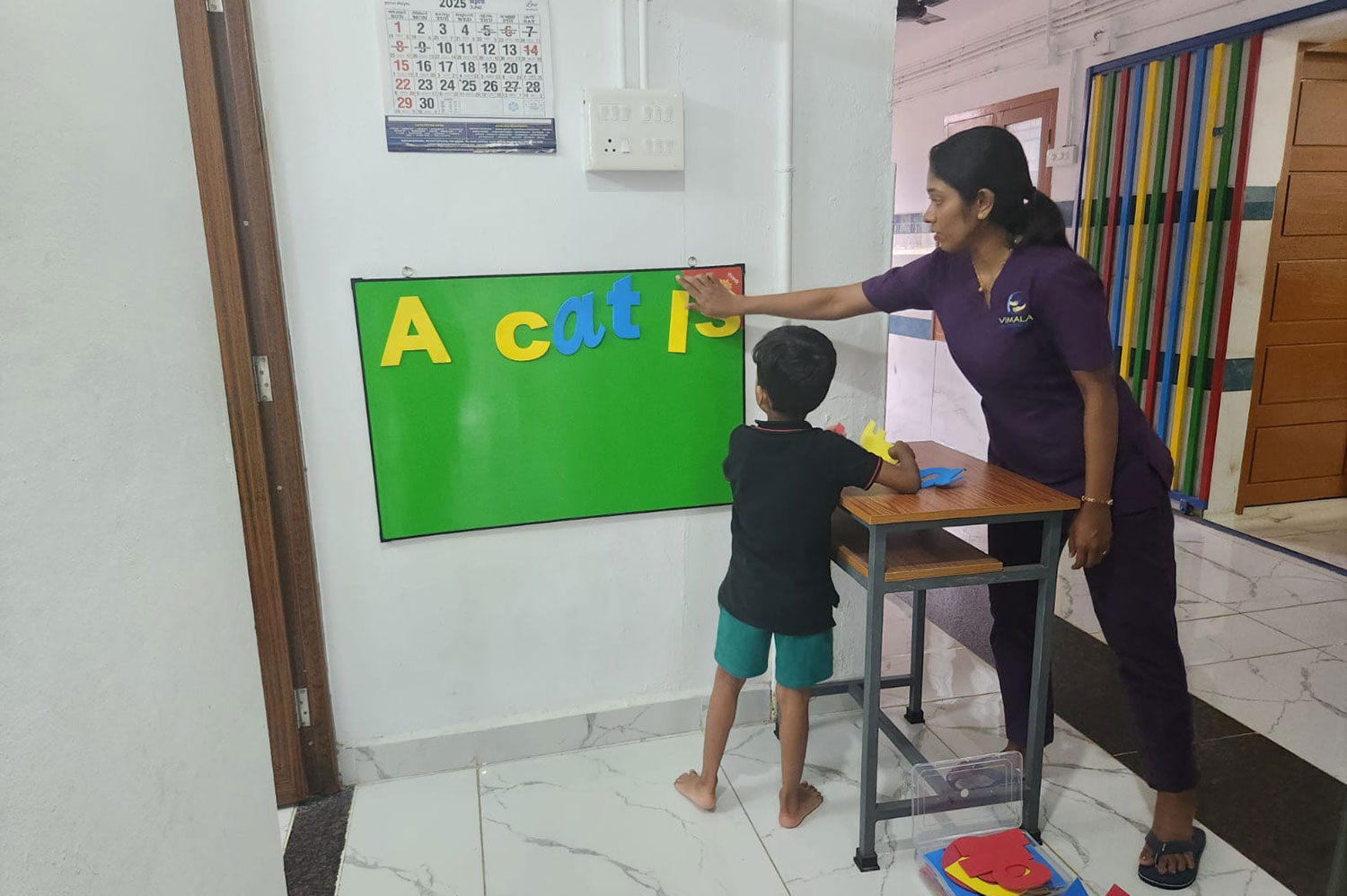
This department helps children overcome learning barriers, from minor obstacles to complex neurodevelopmental challenges, through specialized interventions personalized to support effective progress.
Interventions include:
Individualized educational strategies tailored to each child's unique needs.
Techniques to improve reading, writing, and mathematical skills.
Activities to enhance memory, attention, and problem-solving abilities.
Support for developing social and emotional skills.
The department nurtures a supportive, structured environment where children can develop the skills necessary for academic and social success.
Remedial teaching -Learning disability
Learning disabilities are a heterogeneous group of disorders.
Learning disability results in significant difficulties in the acquisition and use of listening, reading, writing, reasoning & / mathematical skills.
The problem is intrinsic to the individual.
The problem is presumed to be related to a central nervous system dysfunction.
Learning disabilities may occur along with other disabilities or conditions.
Goals
Improve academic skills and understanding.
Enhance learning strategies and techniques.
Boost confidence and self-esteem.
Develop compensatory skills.
Types of Learning Disabilities
Dyslexia (reading)
Dysgraphia (writing)
Dyscalculia (math)
Attention Deficit Hyperactivity Disorder (ADHD)
Autism Spectrum Disorder (ASD)
Auditory Processing Disorder (APD)
Remedial Teaching Strategies
Multisensory instruction
Phonics-based reading
Assistive technology
Visual aids and graphic organizers
Breaking tasks into smaller steps
Repetition and reinforcement
Individualized instruction
Learning style-based approaches
Remedial Teaching Techniques
Orton-Gillingham method (reading)
Wilson Reading System
Handwriting Without Tears
Math-U-See
Cognitive-behavioral therapy
Benefits
Improved academic performance
Enhanced self-confidence
Better organizational skills
Increased independence
Reduced frustration
Remedial Teaching Settings
Special education schools
Resource rooms
Private tutoring
Online programs
Inclusive classrooms
Qualifications of Remedial Teachers
Special education certification
Learning disability specialist certification
Experience working with students with learning disabilities
Knowledge of assistive technology
Continuing education in learning disability strategies
Resources
National Center for Learning Disabilities (NCLD)
Learning Disabilities Association of America (LDA)
Council for Exceptional Children (CEC)
Local special education organizations
Would you like more information on remedial teaching or resources for specific learning.

Frequently Asked Questions
Learning disabilities are neurological conditions that impact a child's ability to read, write, speak, or perform math, reflecting how the brain processes information, not intelligence.
Common signs of a learning disability include difficulty with reading, writing, spelling, following instructions, solving math problems, and organizing thoughts. If your child struggles more than peers in these areas, it may signal a learning disability.
Early identification of learning disabilities, starting as early as preschool, enables timely intervention, significantly boosting your child's academic and social development.
Early signs of learning disabilities include delayed speech, difficulty pronouncing words, trouble with letter recognition, poor memory for numbers, and challenges in understanding time concepts or following multi-step instructions.
While learning disabilities can't be "prevented," early intervention and a supportive, enriched learning environment can greatly reduce their impact on your child's development.
Early intervention is vital for children with learning disabilities, preventing academic delays, boosting self-esteem, and teaching strategies to manage learning challenges. The sooner the intervention, the more effective it is.
Common intervention methods for learning disabilities include specialized tutoring, speech therapy, occupational therapy, IEPs, and assistive technology, all tailored to address specific challenges.
Learning disabilities can be managed at home by creating a structured environment, using visual aids, breaking tasks into steps, reading together, reinforcing positive behavior, and maintaining close communication with your child's school.
Yes! With the right interventions, accommodations, and support, children with learning disabilities can thrive academically and develop strategies for success in their studies and future careers.
Parents are crucial in the rehabilitation process, offering emotional support, collaborating with educators and therapists, reinforcing strategies at home, and advocating for their child's needs. Active involvement accelerates progress.
Rehabilitation options for learning disabilities include multidisciplinary support such as cognitive-behavioral therapy, speech and language therapy, occupational therapy, and targeted academic interventions.
Rehabilitation duration varies based on the disability's severity and the child's response to interventions. Ongoing support and adaptive strategies ensure steady progress.
A proper diagnosis requires a comprehensive assessment by a qualified professional, such as a psychologist, special education expert, or pediatric neurologist. Schools also provide evaluations through educational psychologists.
After diagnosis, collaborate with your child's school to create an Individualized Education Plan (IEP) and pursue relevant therapies. Stay informed and maintain open communication with teachers and therapists.
Our clinic provides thorough assessments, individualized intervention plans, therapy, parental support, and follow-up to help children overcome learning challenges and reach their full potential.
Learning disabilities cannot be "cured," but with effective interventions, accommodations, and strategies, children can succeed in school and life.
Support your child's emotional well-being by encouraging them, celebrating small successes, maintaining open communication, and fostering a positive, supportive environment.